Club News and Events 2024-10-11
PGNC Memberships: New and Renewals
Thank you to everyone who is joining the PGNC or renewing memberships for 2024. Your membership supports the Prince George Naturalists Club and BC Nature, our parent organization, in all their good work.
E-Transfer is available by sending to PrinceGeorgeNaturalistsClub@gmail.com and it goes directly into the Club’s bank account. No secret word is needed. Payments by cheque can be mailed to Prince George Naturalists Club, PO Box 1092, Prince George BC V2L 4V2.
Memberships run from January 1 to December 31. Cost is $25 per calendar year for individuals, $40 for a family, and $15 for students. Benefits of membership: Subscription to the online version of BC Nature magazine, liability insurance coverage for Club work parties and field trips, and access to popular events limited to Club members only. Add $5 if you wish to receive a printed version of the BC Nature magazine in the mail.
To be a naturalist is to be joyful, inquisitive, and at home in the world. To be home is to treat every life form as a family member
Marina Richie
PGNC Next Executive Meeting
The next Executive meeting will be on Wednesday, November 13. All members are welcome to attend. If you wish to attend, send an email to the Club to obtain meeting details.
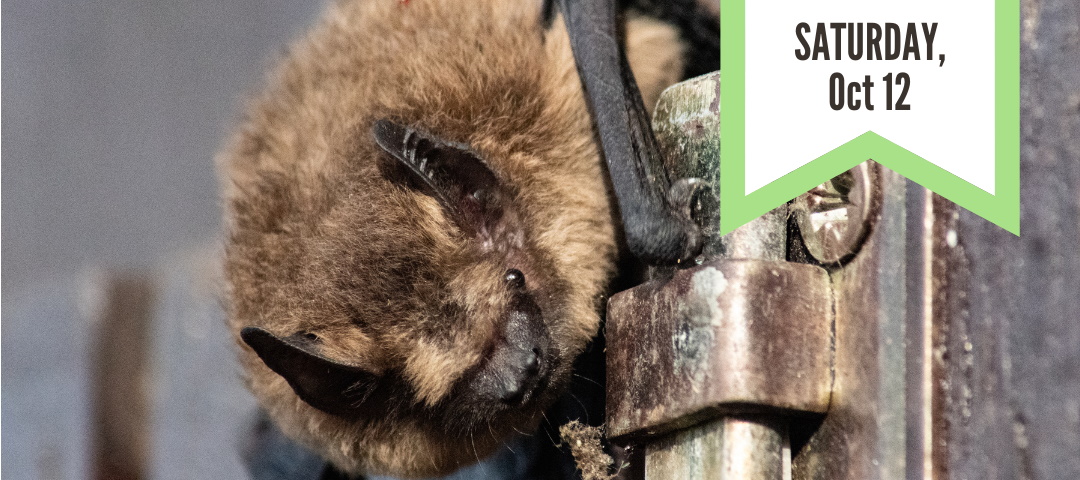
PGNC Backyard Bats: Conservation Around Prince George
Saturday October 12, 3-4:30 p.m. Prince George Public Library Bob Harkins Branch
Join us at the library and learn about our Prince George bats. This is a free drop-in program suitable for adults. Here’s the link to Community Bat Programs of BC, a sponsor for this discussion.

Effects of vehicle traffic on birds: COVID-19 lockdowns as a global experiment
COVID-19 lockdowns resulted in significant changes to habitat suitability for many wildlife species. We treated traffic lockdowns as an opportunistic experiment to help us understand effects of traffic. We used more than 4 million observations of 82 bird species in Canada and USA from 2017-2020 to determine whether detections of birds differed during the pandemic in comparison with the previous 3 years. In North America, most avian species increased their use of habitat near roads and airports, and in cities, particularly when lockdowns coincided with peak migration periods. COVID-19 lockdowns offer critical learning opportunities that can help us understand anthropogenic impacts in wildlife, amidst the tragedies caused by the virus.
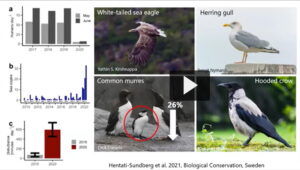
Dr. Koper is Dean of the Faculty of Environment at UNBC, and a Conservation Biologist. Her areas of expertise include avian conservation, habitat restoration for wildlife, and prairie, tropical, and landscape ecology. She often partners with private land owners, governments, and non-governmental organizations to develop landscape-scale experiments to identify and mitigate impacts of anthropogenic development on wildlife. You can view the video here.
The State of Canada’s Birds
Canada’s birds face more challenges today than ever before. Human activity is drastically affecting the Canadian landscape, and birds must navigate threats like habitat loss, pollution, and climate change. To help birds in Canada, we need to understand how and why their populations are changing.
The State of Canada’s Birds is a partnership between Environment and Climate Change Canada and Birds Canada. It combines the best available data and expert analysis to examine trends and set population goals. This information forms a foundation for sound conservation action to ensure a bright, feathered future.
Thanks to Dave Leman for sharing this. You can access more information here: Birds Canada.
About This Newsletter
The newsletter is sent from the PGNC mailing address: princegeorgenaturalistsclub@gmail.com. We welcome contributions from members and supporters about matters of interest to naturalists. Feel free to send stories and links to the Prince George Naturalists Club.

PO Box 1092, Prince George, BC V2L 4V2